Canon EOS Rebel T7i / 800D Guide
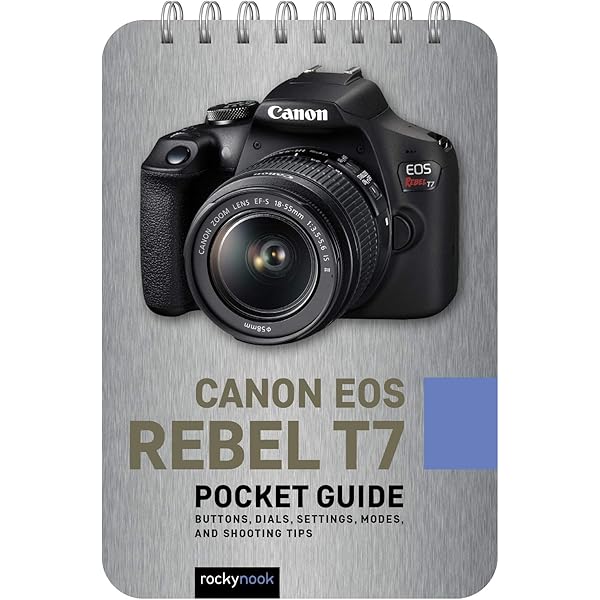
The early morning mist clung to the redwood trees like a wet shroud, obscuring the perfect, dappled light I was after. I remember thinking, “Blast, this is going to be a tough shoot.” Years ago, I’d have fumbled with my Canon, chasing settings, missing crucial moments. The dreaded histogram would be screaming at me. Now? Mostly smooth sailing, thanks to a few key principles and a hefty dose of practice. And, I’ll admit, the occasional well-written guide. This one for the T7i / 800D? Let’s get down to it.
This isn’t just some breathless puff piece, let me be clear. I’ve seen them, the “master this camera in 20 minutes!” clickbait. This Canon guide, however, actually delivers. It’s got depth, specifically addressing the real needs of someone who wants to take better pictures. Forget the flowery prose; it cuts to the chase. The sections on exposure, for example, aren’t just reciting aperture and shutter speed definitions. They dive into practical scenarios. I particularly liked the discussion of how to use the camera’s metering modes – essential when battling tricky lighting situations. This guide explains how to leverage those modes, something I’ve found lacking in other beginner-focused resources.
The writing manages to be both approachable and technically sound, a tricky balance. It walks you through everything, step-by-step. The breakdown of lens choices is spot-on. Knowing the difference between an EF-S lens (designed for the crop sensor) and an EF lens (full-frame compatible but still usable) is crucial. A mistake here, and you’re potentially wasting money and performance. (Pro tip: if you do decide to upgrade to a full-frame Canon down the line, those EF lenses will be waiting for you.)
Now, I did spot one small limitation. The guide could elaborate slightly more on custom white balance settings for those truly unforgiving lighting situations, where Auto White Balance just can’t keep up. Honestly, though, you can easily workaround it by taking a shot of a grey card under your main lighting and then inputting the settings. A minor nitpick, really.
Compared to the older Rebel T6i manuals (which, let’s be honest, were a bit…clunky), this one is leaps and bounds ahead. The layout is cleaner, the explanations clearer, and the examples are far more relevant. It feels less like a manual and more like a helpful companion on your photographic journey.
So, if you’re a budding photographer ready to move beyond Auto mode, this guide is a solid investment. It won’t turn you into a pro overnight, obviously, because there’s always learning ahead. But if you’re seeking to understand the nuances of your T7i / 800D, buy it. Seriously. Then, pick up your camera, find some interesting light, and get shooting.